Travel
Montejaque: the secret white village hidden in the Sierra de Grazalema
JUNE 2026 · 9 MIN READ
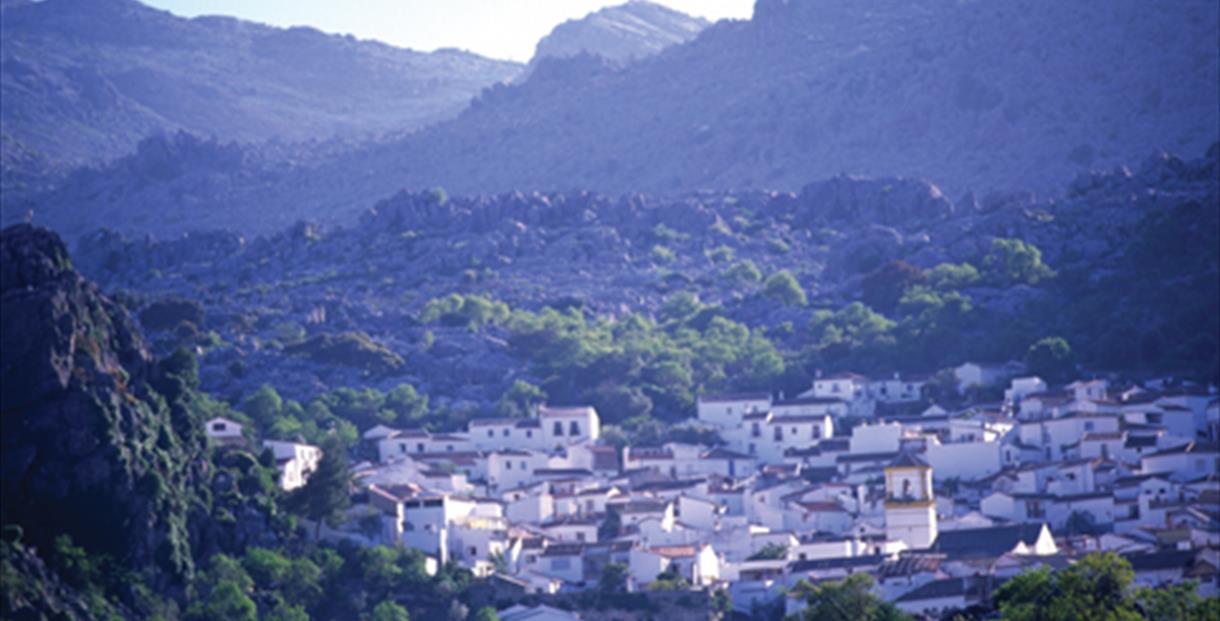
Perched on a rocky hillside in the heart of the Sierra de Grazalema Natural Park, Montejaque is one of Andalucía's most enchanting yet overlooked pueblos blancos. While Ronda draws the crowds just ten minutes up the road, Montejaque sits quietly in its own timeless rhythm — wrapped in limestone cliffs, olive groves, and the echo of Roman footsteps.
The village's name hints at its geography: from the Latin mons aqua — "mountain of water." And water is everywhere here. Montejaque is nestled above the Guadares River and surrounded by the jagged limestone peaks of the Sierra de Grazalema, one of Europe's most important karst landscapes. The village itself is a masterpiece of traditional Andalusian architecture: narrow, winding cobblestone streets cascade down the hillside, lined with whitewashed houses adorned with wrought-iron grilles and flower-filled balconies.
Montejaque isn't just pretty — it's ancient. The area has been inhabited since the Neolithic period, with archaeological finds in the nearby Cueva del Hundidero and Cueva de la Pileta revealing cave paintings over 25,000 years old. The Romans left their mark too, building roads and settlements in the surrounding countryside. But the village as it appears today took shape under the Moors, who introduced the whitewashed aesthetic and the intricate irrigation systems (acequias) that still channel water through the hillsides. After the Reconquista it became a frontier village, eventually growing into an agricultural hub where olives, almonds and wheat sustained the community for generations.
What to see: the 18th-century Iglesia de San José dominates the main square with its simple white facade and single bell tower; inside, a gilded altarpiece sits in a serene, humble interior. Get lost in the Casco Antiguo — the maze of alleys climbing up from the Plaza de España is a delight on foot, especially the Callejón del Agua, where water once flowed in an open channel through the village. For views, the Mirador de la Cueva looks toward the famous cave systems, the Mirador del Tajo offers dramatic cliffs and panoramic mountain views, and the Mirador del Guadares opens onto the lush river valley below. On the village edge, the restored Era de la Cuesta — an old threshing floor — gives a glimpse into traditional agricultural life with sweeping views of the sierra.
Montejaque's greatest asset is its setting, and it's a gateway to some of Andalucía's best outdoor experiences. The Hundidero–Gato system is one of the longest cave networks in Spain — over four kilometres of underground passages connecting Hundidero ("the Sinkhole") with the famous Cueva del Gato in nearby Benaoján. The entrance is a massive chasm swallowing the Guadares River, and if you're lucky you'll spot vultures circling overhead. Hikers should walk the Sendero del Pinsapar, which winds through a rare forest of Spanish fir — a prehistoric tree species found only here and in Morocco — with the chance to spot ibex, eagles and griffon vultures. The more adventurous can tackle the via ferrata that climbs the cliffs above the village, running alongside the abandoned Ronda–Algeciras railway line that passes through a tunnel beneath Montejaque itself.
Andalusian hospitality is on full display here. Local bars serve hearty mountain fare: gazpacho serrano — a thick, meaty mountain-style gazpacho, nothing like the cold tomato soup of Seville — chivo al horno (roasted kid goat), tangy queso payoyo from the region, and some of Spain's finest olive oil from the surrounding hills. Stop into Bar La Era or Restaurante La Tierra for authentic, unpretentious meals, and don't leave without trying the local vino de la tierra.
Getting there is easy: Montejaque is just 12 km from Ronda, a fifteen-minute drive through dramatic limestone scenery, and there are several buses a day. From Málaga it's about an hour and forty-five minutes; from Seville around two hours; from Gibraltar an hour and a half. The winding mountain roads are part of the experience — take your time. Spring (March–May) is ideal, with wildflowers and full rivers; autumn brings cool, golden light perfect for hiking; summer is hot but manageable in the early mornings and evenings; winter is quiet and atmospheric, with snow occasionally dusting the peaks above.
Montejaque doesn't shout. It doesn't have a famous monument or a crowd-pulling festival like Ronda's Goyescas. What it offers is something rarer in today's Andalucía: authenticity. Here you can sit in a sun-warmed plaza with a glass of local wine, watch the light shift across the mountains, and feel the deep, unhurried pulse of rural Spanish life. It's the kind of village you leave reluctantly — and dream about long after.